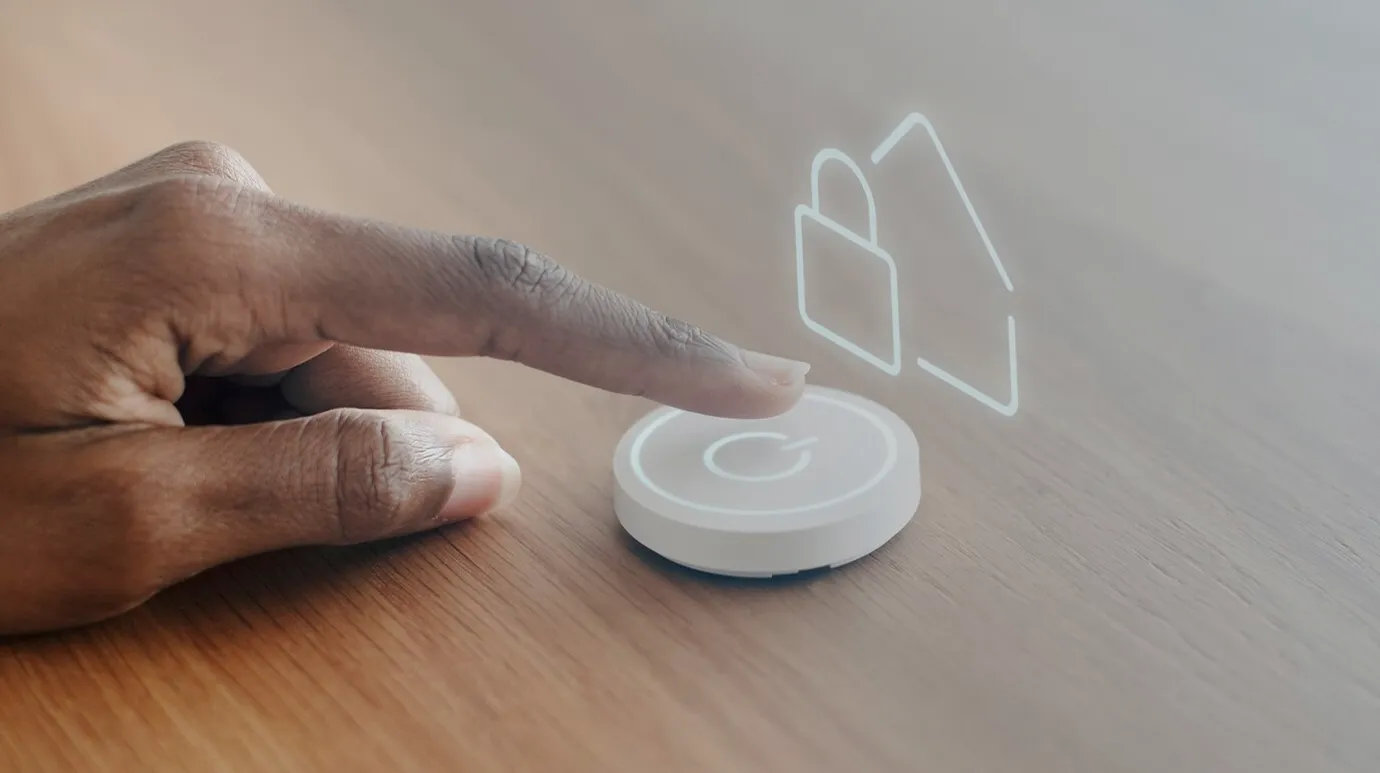
Best Practices for Smart Home Devices Security
Smart home technology has transformed how we live. From voice assistants and smart thermostats to connected cameras and lighting systems, homes today are more intelligent and responsive than ever. However, this growing connectivity also increases exposure to cyber risks. Smart home devices security is no longer optional—it’s essential for protecting your privacy, data, and peace of mind.
A secure smart home isn’t about one device or one setting. It’s about creating a well-protected ecosystem where every component works together safely. This guide outlines practical, real-world best practices to help you build a secure and resilient smart home environment.
Why Smart Home Devices Need Strong Security
Every smart device connected to the internet can become a potential entry point for attackers. A single unsecured device—such as a camera, speaker, or smart plug—can expose your entire home network if not properly protected.
Smart homes rely on constant data exchange between devices, hubs, cloud services, and mobile apps. Without proper safeguards, this data can be intercepted, misused, or manipulated. That’s why smart home devices security should be planned from the very beginning, not added as an afterthought.
Krishiv designs home automation solutions with security built into the system architecture, ensuring connected homes remain protected as they grow.
Change Default Credentials Immediately
One of the most common smart home security risks comes from default usernames and passwords. Many devices ship with factory credentials that are widely known and easily exploited.
As soon as a device is installed, replace default credentials with strong, unique passwords. Avoid reusing passwords across devices, and consider using a password manager to keep everything organized. This simple step alone prevents a large percentage of common smart home attacks.
Keep Firmware and Software Updated
Manufacturers regularly release firmware and software updates to fix bugs, improve performance, and address newly discovered vulnerabilities. Ignoring these updates leaves devices exposed to known exploits.
This applies to everything in your smart home ecosystem, including routers, automation hubs, cameras, thermostats, and voice assistants. Enable automatic updates whenever possible or schedule a monthly check to ensure all devices are current.
Centralized hubs like EZLO Plus Smart Home Hub with Z-Wave and Zigbee help simplify update management by keeping multiple devices synchronized and secure.
Secure Your Wi-Fi Network
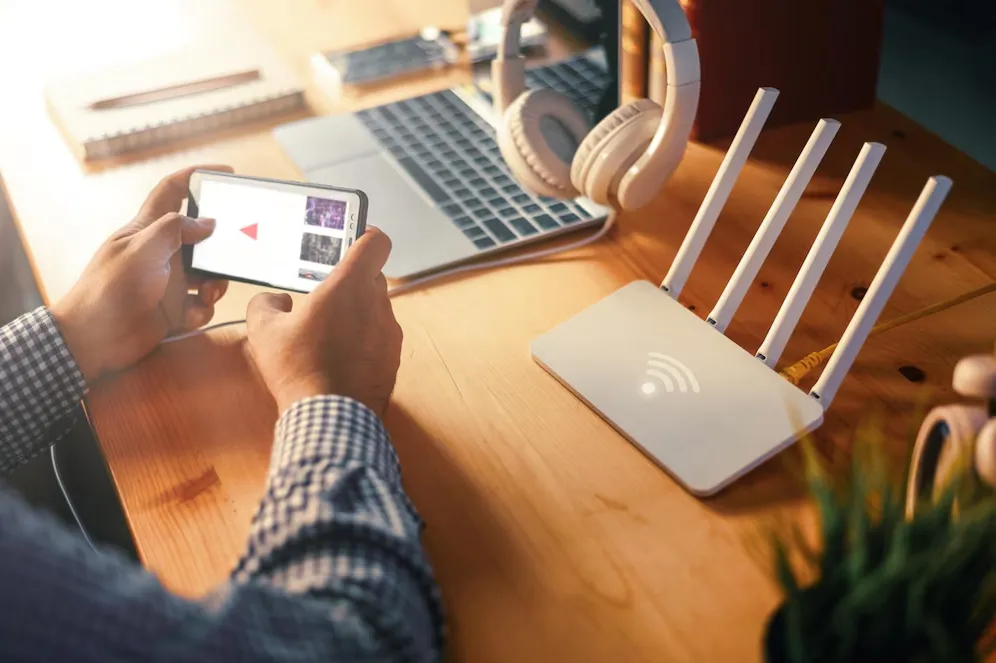
Your Wi-Fi network is the foundation of your smart home. If it’s not secure, none of your devices are truly protected. Always use modern encryption standards such as WPA3 if supported by your router, and change the default network name (SSID).
For added protection, many homeowners choose to separate smart devices onto a dedicated IoT network. This isolates them from personal computers, phones, and sensitive data. Regularly reviewing connected devices also helps identify anything unfamiliar or suspicious.
A strong network setup dramatically improves overall home automation security.
Enable Two-Factor Authentication Where Available
Two-factor authentication (2FA) adds an extra layer of protection by requiring a second form of verification in addition to your password. Even if login credentials are compromised, 2FA can prevent unauthorized access.
Enable 2FA for smart home apps, cloud dashboards, and security platforms whenever it’s available—especially for cameras, locks, and monitoring systems. This small step significantly reduces the risk of account takeover.
Limit Permissions and Access
Many smart devices request access to features they don’t always need, such as microphones, cameras, contacts, or location data. Granting unnecessary permissions increases privacy risk.
Review device permissions during setup and audit them periodically. If a voice assistant doesn’t need access to your contacts or calendar, disable it. Limiting permissions reduces exposure while maintaining functionality.
Choose Trusted Devices and Secure Hardware
Not all smart devices are built with the same security standards. Low-cost or unknown brands may lack encryption, regular updates, or long-term support.
When choosing devices like switches, sensors, or controllers, opt for trusted hardware designed for secure automation. Devices such as Inovelli Zigbee Smart Switch with Humidity Sensor offer reliable communication and integrate smoothly into secure automation ecosystems.
Using reputable products reduces the risk of hidden vulnerabilities.
Monitor Network Activity Regularly
Security doesn’t end after setup. Periodic network monitoring helps detect threats early. Check your router or smart home dashboard to review connected devices and remove anything unfamiliar.
Unexpected devices, frequent disconnects, or unusual activity can indicate potential security issues. Early detection allows you to respond quickly—before problems escalate.
Power Down Devices When Not Needed
Devices that are always on are always exposed. When certain smart devices—such as speakers, baby monitors, or cameras—aren’t needed, turning them off reduces both security risk and unnecessary data collection.
This practice also improves energy efficiency and device longevity, making it a smart habit for both privacy and performance.
Use a Centralized Smart Home Hub
Managing devices individually increases complexity and security risk. A centralized hub allows homeowners to control, monitor, and secure all devices from a single platform.
Solutions like Aeotec SmartThings Smart Home Hub provide encrypted communication, centralized control, and better visibility into system activity—making security management simpler and more effective.
Partner with Smart Home Security Professionals
Smart home security can quickly become complex, especially as systems expand. Professional setup ensures proper configuration, network segmentation, and long-term reliability.
Krishiv offers expert guidance and implementation for both residential and advanced automation systems—helping homeowners avoid common security mistakes while future-proofing their investment.
Learn more about Krishiv’s expertise on the About Us page, explore insights on the Krishiv Blog, or contact Krishiv for professional support.
Your Smart Home Should Be a Safe Space
Smart homes offer incredible convenience—but only when security is taken seriously. By following these best practices for smart home devices security, homeowners can significantly reduce the risk of hacking, surveillance, and data exposure.
With thoughtful planning, secure devices, and the right automation partner, your smart home can remain both intelligent and protected—now and in the future.