Energy Management Solutions in Industrial Automation: Driving Efficiency, Cost Savings, and Sustainability
As industries across Canada and globally move toward digital transformation, energy management solutions in industrial automation have become a critical component of modern manufacturing strategies. With rising energy costs, increasing production demands, and stricter environmental regulations, manufacturers can no longer afford inefficient energy usage.
Industrial automation combined with intelligent energy management allows businesses to monitor, control, and optimize power consumption in real time. This not only reduces operational costs but also improves system reliability, production efficiency, and long-term sustainability.
Understanding Energy Management in Industrial Automation
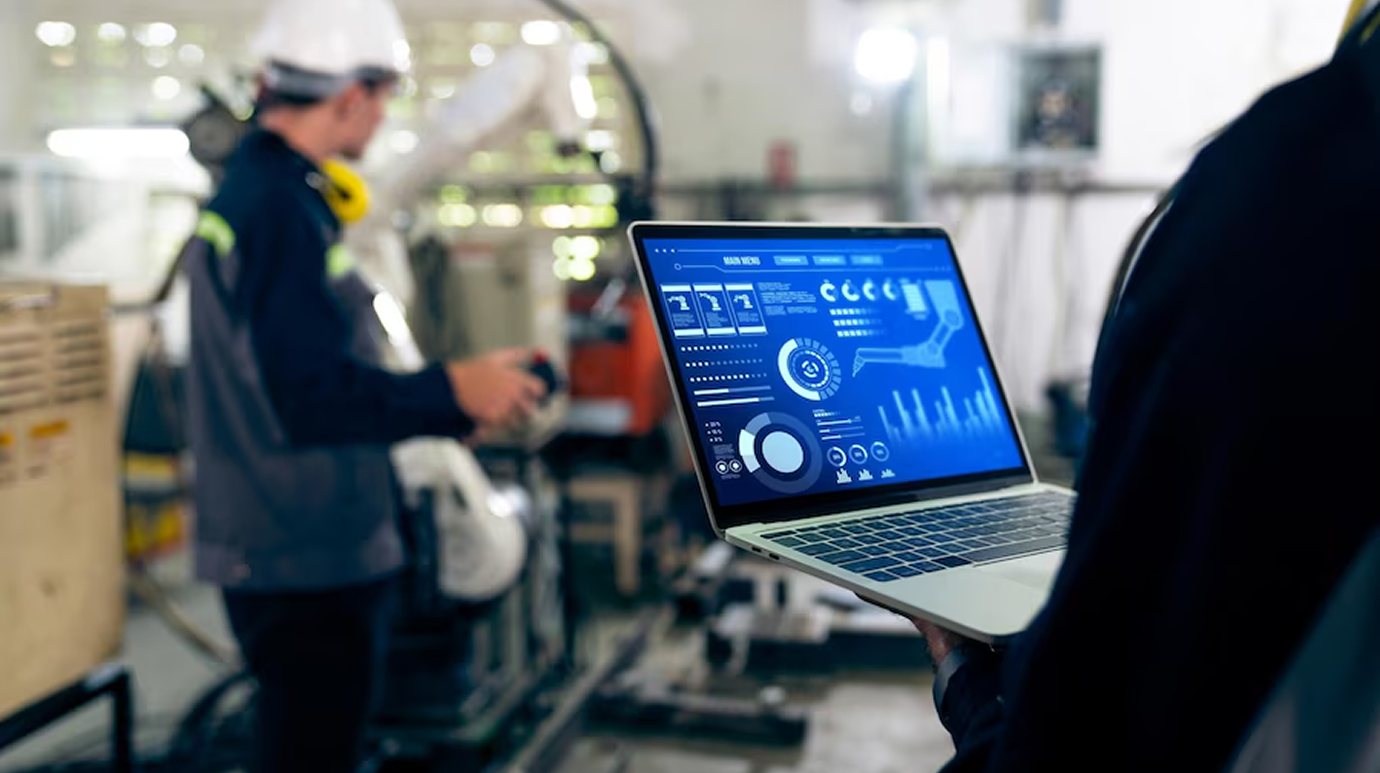
An industrial energy management solution is a structured approach that uses automation, sensors, and analytics to track and optimize energy consumption across machines, production lines, and entire facilities. These systems collect data from equipment such as motors, compressors, conveyors, HVAC units, and lighting systems to provide a centralized view of energy usage.
By integrating energy monitoring into industrial automation systems, manufacturers gain actionable insights that help eliminate energy waste, optimize load distribution, and improve overall plant performance. This data-driven approach ensures that energy is used efficiently without compromising productivity.
Organizations seeking scalable and intelligent solutions often rely on professional
industrial automation services to design and deploy customized energy management frameworks.
Why Energy Efficiency Matters in Industrial Operations
Energy expenses represent one of the largest ongoing costs in manufacturing and processing industries. Without proper monitoring, energy losses often go unnoticed, leading to inflated bills and reduced profit margins.
Implementing energy management solutions in industrial automation helps organizations:
- Identify energy-intensive processes
- Reduce unnecessary power consumption
- Improve operational transparency
- Lower carbon emissions
- Meet sustainability and compliance standards
Energy efficiency also supports corporate ESG initiatives and strengthens brand reputation. Automated energy control enables industries to operate responsibly while maintaining consistent production quality.
How Industrial Automation Enables Intelligent Energy Management
Modern industrial environments rely on programmable logic controllers (PLCs), SCADA systems, and distributed control systems (DCS) to manage operations. When energy management is integrated into these platforms, facilities gain precise control over energy consumption.
Key capabilities include:
- Real-time energy monitoring at machine and plant levels
- Automated load balancing during peak demand
- Intelligent scheduling of energy-intensive equipment
- Detection of abnormal energy usage patterns
Automation ensures that machines operate only when necessary and at optimal efficiency levels. This reduces wear and tear on equipment, minimizes downtime, and improves asset lifespan.
Manufacturers looking to combine automation with intelligent energy control often extend these capabilities through smart automation solutions, such as those found in
home and industrial automation systems adapted for commercial and industrial environments.
Role of IoT in Industrial Energy Monitoring
The Internet of Things (IoT) plays a foundational role in modern energy management. IoT-enabled sensors continuously collect data on voltage, current, power factor, and consumption patterns across the facility.
This data is transmitted to centralized dashboards, allowing plant managers to:
- Monitor real-time energy usage
- Compare energy performance across departments
- Detect inefficiencies instantly
- Generate detailed energy reports
By integrating IoT with automation platforms, manufacturers gain full visibility into energy behavior, enabling proactive decision-making instead of reactive troubleshooting.
AI and Predictive Analytics for Energy Optimization
Artificial Intelligence (AI) takes energy management a step further by analyzing historical and real-time data to identify optimization opportunities. AI-driven energy management systems can predict demand fluctuations, detect anomalies, and recommend corrective actions automatically.
AI-powered systems help industries:
- Optimize energy usage based on production schedules
- Reduce peak demand charges
- Improve forecasting accuracy
- Enable predictive maintenance
When combined with industrial automation, AI ensures that energy consumption adapts dynamically to operational requirements, resulting in long-term efficiency gains and reduced costs.
Benefits of Energy Management Solutions in Industrial Automation
Implementing a comprehensive energy management strategy delivers measurable benefits across multiple operational areas:
Cost Reduction: Continuous monitoring and optimization eliminate energy waste, leading to lower utility bills and improved cost control.
Improved Equipment Performance: Balanced energy usage reduces stress on machinery, extending equipment lifespan and reducing maintenance costs.
Enhanced Operational Reliability: Automated alerts and predictive analytics help prevent unexpected energy-related failures and downtime.
Sustainability and Compliance: Energy-efficient operations support environmental goals and help organizations meet regulatory requirements.
Data-Driven Decision Making: Accurate energy data enables better planning, budgeting, and performance benchmarking.
These benefits make energy management a strategic investment rather than an operational expense.
Challenges in Implementing Energy Management Systems
Despite the advantages, some organizations face challenges such as high upfront costs, integration complexity, and limited in-house expertise. Legacy equipment and fragmented systems can also complicate implementation.
These challenges can be overcome through:
- Phased deployment strategies
- Integration with existing automation infrastructure
- Employee training and skill development
- Partnering with experienced solution providers
Working with a trusted automation partner ensures that energy management solutions are tailored, scalable, and aligned with business objectives.
Future Trends in Industrial Energy Automation
The future of energy management in industrial automation is driven by innovation and sustainability. Key trends include:
- Integration of renewable energy sources
- Decentralized energy generation and storage
- Autonomous energy optimization using AI
- Cloud-based energy management platforms
Factories of the future will rely on advanced automation to balance energy demand, production efficiency, and environmental responsibility. Early adopters of intelligent energy solutions will gain a competitive edge in an increasingly resource-conscious market.
Krishiv – Your Partner for Industrial Energy Automation in Canada
Krishiv is a leading provider of automation and energy management solutions tailored to industrial and commercial environments. With expertise in PLC programming, SCADA systems, IoT integration, and smart energy optimization, Krishiv helps businesses achieve efficient, reliable, and future-ready operations.
Explore Krishiv’s automation capabilities on the Industrial Automation page or learn more about the company on the About Us section.
For expert consultation and customized automation solutions, contact Krishiv today.
Conclusion
Energy management solutions in industrial automation are no longer optional — they are essential for sustainable growth, operational efficiency, and long-term competitiveness. By combining automation, IoT, and AI-driven analytics, industries gain full control over energy consumption while reducing costs and environmental impact.
As energy prices rise and regulatory pressures increase, manufacturers that invest in intelligent energy management today will be better prepared for tomorrow’s challenges. With the right automation strategy and technology partner, energy efficiency becomes a powerful driver of innovation and success.