
Smart home technology is no longer a luxury—it’s becoming a standard feature of modern living. From automated lighting and climate control to voice-activated security and entertainment, homeowners now expect technology to simplify daily routines. At the center of this transformation are smart speakers and voice assistants—two closely related but often misunderstood components of home automation.
So which one is better for your smart home? The answer isn’t as simple as choosing one over the other. At Krishiv, we help homeowners across Canada design intelligent, future-ready home automation systems that use both technologies together for the best experience.
Understanding Smart Speakers in Home Automation
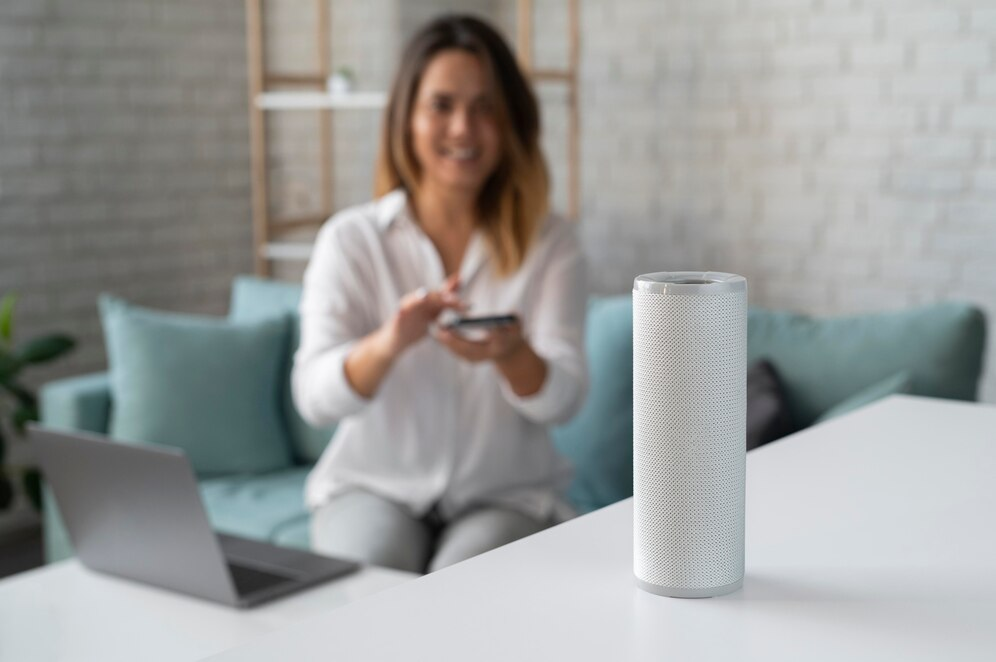
Smart speakers are physical devices designed to interact with your voice. They combine microphones, speakers, and built-in connectivity to act as control points for your smart home. Popular examples include devices that allow you to play music, ask questions, control lights, and manage routines—all hands-free.
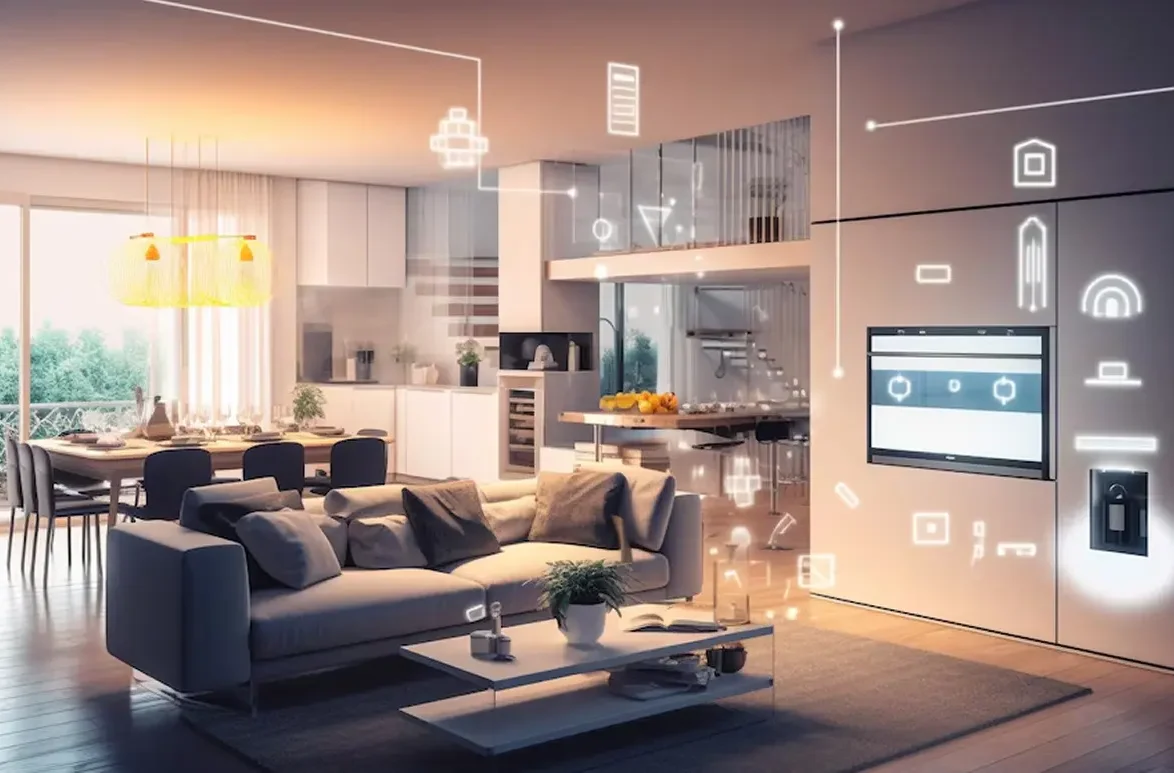
In a smart home setup, smart speakers often act as centralized controllers in key areas such as living rooms, kitchens, and bedrooms. When properly configured, they can trigger automation scenes, control entertainment systems, and communicate with smart hubs.
Krishiv frequently integrates smart speakers with centralized platforms and hubs like Aeotec SmartThings Smart Home Hub to ensure reliable control across lighting, climate, security, and audio systems.
What Voice Assistants Really Do
Voice assistants are the intelligence behind the interaction. They are software-based systems—such as Alexa, Google Assistant, or Siri—that interpret your voice commands and execute tasks. Voice assistants live inside many devices, including smart speakers, smartphones, tablets, smart TVs, and even wall-mounted control panels.
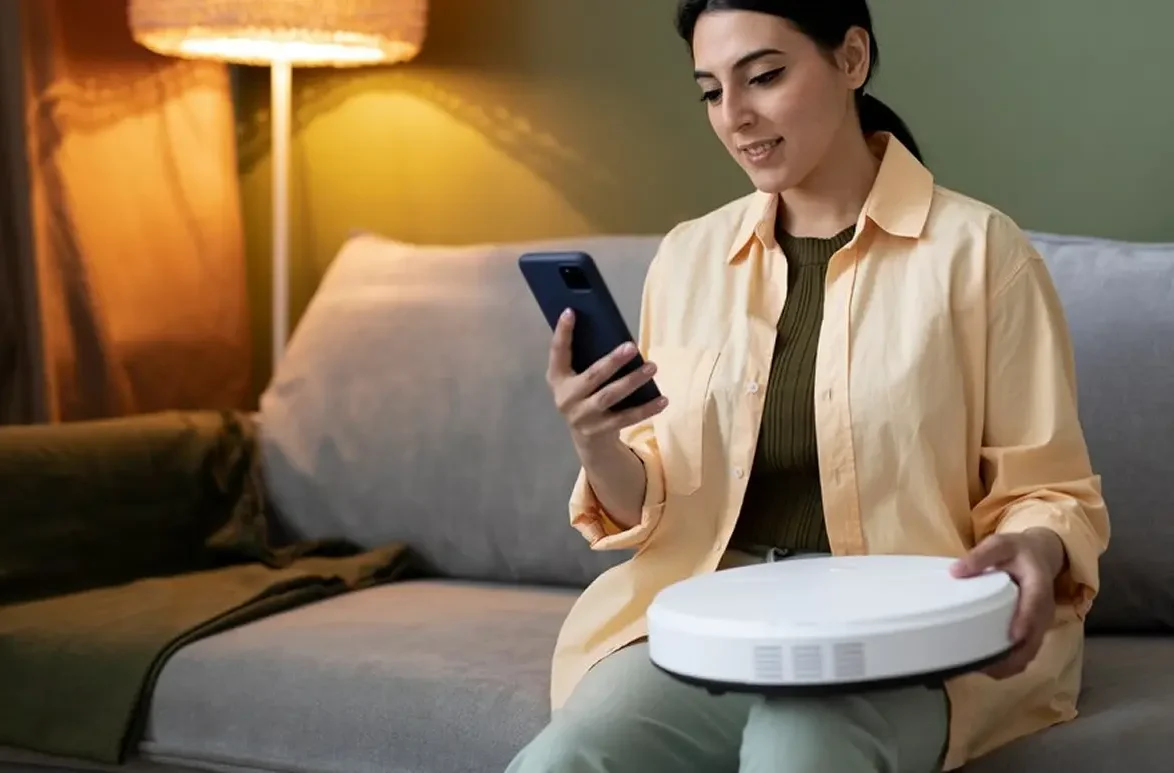
Because they are not tied to a single device, voice assistants allow you to control your smart home from almost anywhere. Whether you’re speaking to your phone, your TV, or a speaker in another room, the assistant acts as the command layer that connects everything together.
This makes voice assistants a critical component of smart home integration, especially for homes with multiple control points.
Although they’re often mentioned together, smart speakers and voice assistants serve different roles. One provides the hardware interface, while the other provides the intelligence.
Here’s how they compare in real-world home automation:
- Smart speakers provide a physical presence and are ideal for rooms where voice control is frequently used
- Voice assistants provide flexibility, allowing control from phones, TVs, and other connected devices
- Smart speakers depend on voice assistants to function intelligently
- Voice assistants become far more powerful when paired with dedicated speakers
Rather than competing, they complement each other—especially in well-designed automation systems.
The most effective smart homes use both technologies together. A smart speaker gives you instant, room-based access, while a voice assistant ensures system-wide control and intelligence.
For example, a living room smart speaker can control lighting and music locally, while the same voice assistant lets you check security cameras or adjust thermostats from your phone when you’re away.
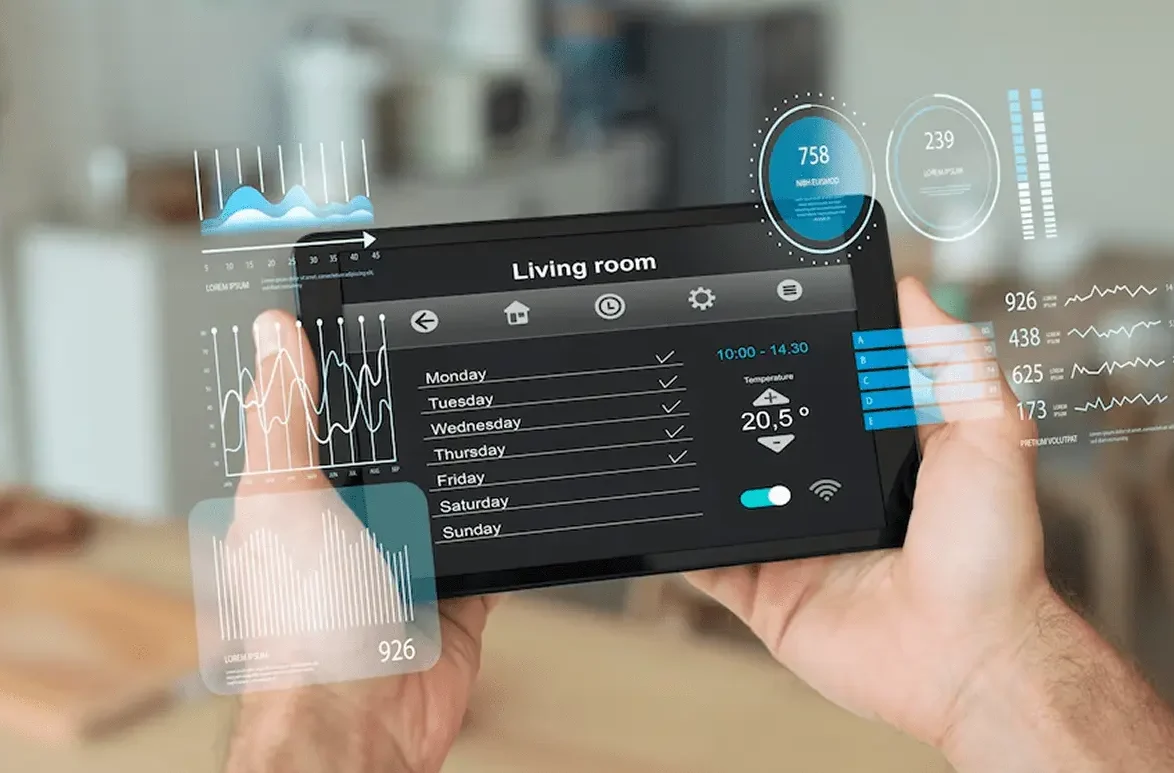
Visual control panels such as EZLO Protect 10″ Touchscreen Controller can further enhance this experience by providing a screen-based interface alongside voice control—ideal for households with multiple users.
When smart speakers and voice assistants are properly integrated, they unlock powerful automation features that improve daily living.
Lighting and ambiance can be adjusted instantly using voice commands, creating scenes for movie nights, work hours, or relaxation.
Energy management becomes easier, allowing homeowners to control thermostats and reduce unnecessary power usage.
Remote access enables users to monitor security, lock doors, or simulate presence while away from home.
These features are especially effective when combined with professional home automation solutions designed to ensure reliability and security.
At Krishiv, we don’t recommend choosing between smart speakers and voice assistants—we recommend using both strategically.
Smart speakers work best in high-traffic areas like living rooms, kitchens, and bedrooms. Voice assistants ensure consistent control across all devices, whether you’re home or away. Together, they create a seamless, intuitive smart home experience.
Krishiv provides complete automation services—from planning and device selection to installation and long-term support—ensuring both technologies work together smoothly.
Krishiv is more than an installer—we’re a long-term smart living partner. We design systems that are scalable, secure, and easy to use, whether for residential or commercial environments.
Homeowners choose Krishiv for:
- Seamless device and platform integration
- Custom automation routines
- Secure and future-ready setups
- Ongoing support and upgrades
Learn more about our expertise on the About Us page, explore insights on the Krishiv Blog, or contact Krishiv to start your smart home journey.
Final Thoughts
So, which is better—smart speakers or voice assistants? The most effective smart homes don’t choose one—they use both. When combined correctly, they create an intelligent, responsive environment that adapts to your lifestyle.
With Krishiv’s expert guidance, Canadian homeowners can build smart homes that feel effortless, intuitive, and truly connected.

Leave a Comment
Your email address will not be published. Required fields are marked *