Get Fast and Flexible Shipping
Energy Management Solution

Energy Management Solutions in Industrial Automation: Driving Efficiency, Cost Savings, and Sustainability

As industries across Canada and globally move toward digital transformation, energy management solutions in industrial automation have become a critical component of modern manufacturing strategies. With rising energy costs, increasing production demands, and stricter environmental regulations, manufacturers can no longer afford inefficient energy usage.

Industrial automation combined with intelligent energy management allows businesses to monitor, control, and optimize power consumption in real time. This not only reduces operational costs but also improves system reliability, production efficiency, and long-term sustainability.

Understanding Energy Management in Industrial Automation

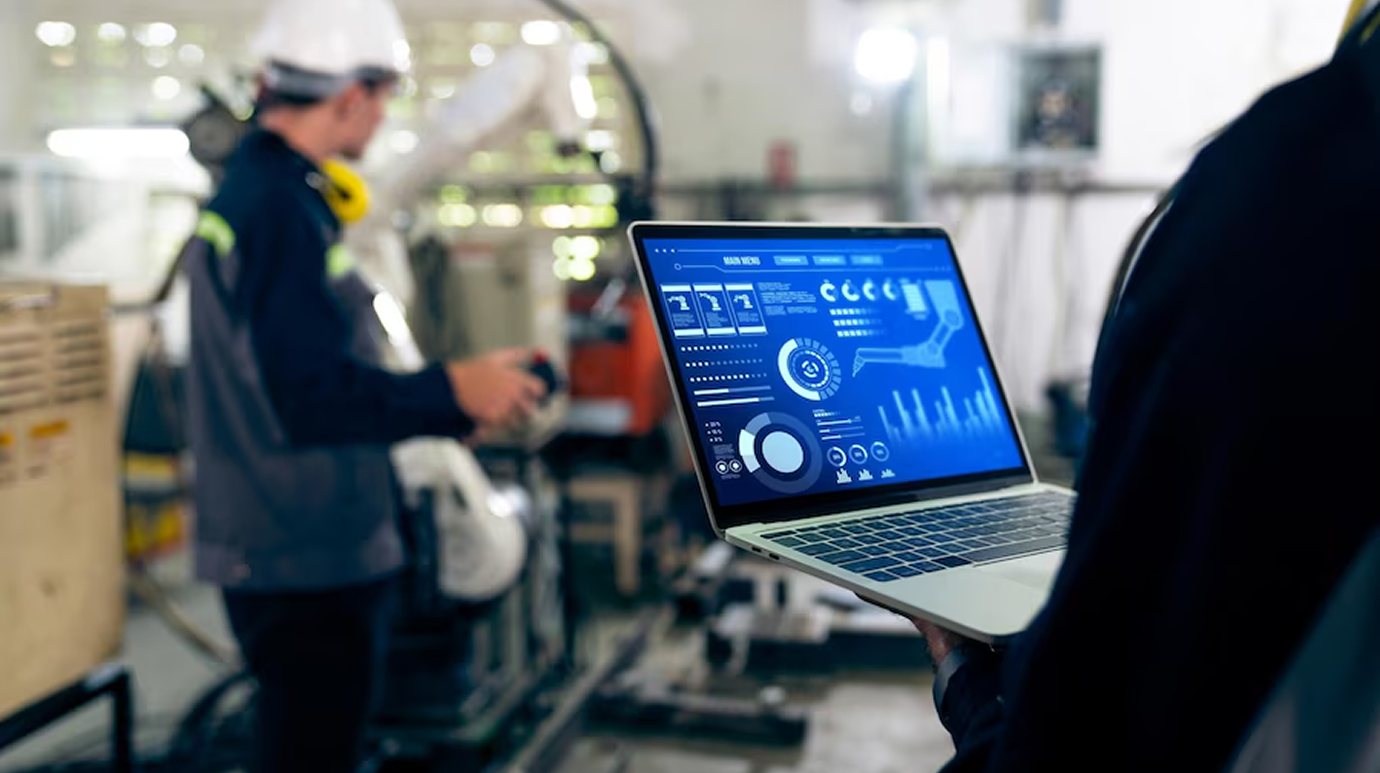
An industrial energy management solution is a structured approach that uses automation, sensors, and analytics to track and optimize energy consumption across machines, production lines, and entire facilities. These systems collect data from equipment such as motors, compressors, conveyors, HVAC units, and lighting systems to provide a centralized view of energy usage.

By integrating energy monitoring into industrial automation systems, manufacturers gain actionable insights that help eliminate energy waste, optimize load distribution, and improve overall plant performance. This data-driven approach ensures that energy is used efficiently without compromising productivity.

Organizations seeking scalable and intelligent solutions often rely on professional
 industrial automation services to design and deploy customized energy management frameworks.

Why Energy Efficiency Matters in Industrial Operations

Energy expenses represent one of the largest ongoing costs in manufacturing and processing industries. Without proper monitoring, energy losses often go unnoticed, leading to inflated bills and reduced profit margins.

Implementing energy management solutions in industrial automation helps organizations:

  • Identify energy-intensive processes
  • Reduce unnecessary power consumption
  • Improve operational transparency
  • Lower carbon emissions
  • Meet sustainability and compliance standards

Energy efficiency also supports corporate ESG initiatives and strengthens brand reputation. Automated energy control enables industries to operate responsibly while maintaining consistent production quality.

How Industrial Automation Enables Intelligent Energy Management

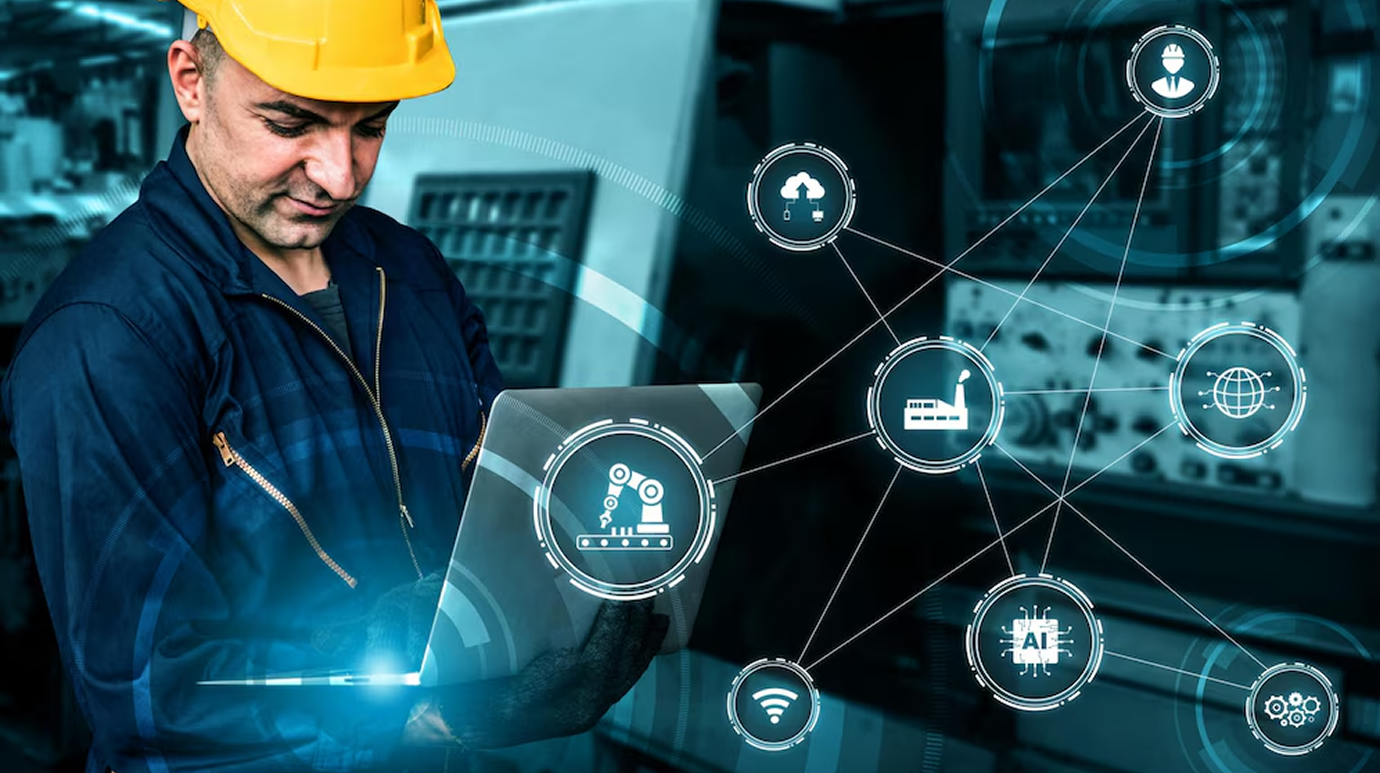
Modern industrial environments rely on programmable logic controllers (PLCs), SCADA systems, and distributed control systems (DCS) to manage operations. When energy management is integrated into these platforms, facilities gain precise control over energy consumption.

Key capabilities include:

  • Real-time energy monitoring at machine and plant levels
  • Automated load balancing during peak demand
  • Intelligent scheduling of energy-intensive equipment
  • Detection of abnormal energy usage patterns

Automation ensures that machines operate only when necessary and at optimal efficiency levels. This reduces wear and tear on equipment, minimizes downtime, and improves asset lifespan.

Manufacturers looking to combine automation with intelligent energy control often extend these capabilities through smart automation solutions, such as those found in
 home and industrial automation systems adapted for commercial and industrial environments.

Role of IoT in Industrial Energy Monitoring

The Internet of Things (IoT) plays a foundational role in modern energy management. IoT-enabled sensors continuously collect data on voltage, current, power factor, and consumption patterns across the facility.

This data is transmitted to centralized dashboards, allowing plant managers to:

  • Monitor real-time energy usage
  • Compare energy performance across departments
  • Detect inefficiencies instantly
  • Generate detailed energy reports

By integrating IoT with automation platforms, manufacturers gain full visibility into energy behavior, enabling proactive decision-making instead of reactive troubleshooting.

AI and Predictive Analytics for Energy Optimization

Artificial Intelligence (AI) takes energy management a step further by analyzing historical and real-time data to identify optimization opportunities. AI-driven energy management systems can predict demand fluctuations, detect anomalies, and recommend corrective actions automatically.

AI-powered systems help industries:

  • Optimize energy usage based on production schedules
  • Reduce peak demand charges
  • Improve forecasting accuracy
  • Enable predictive maintenance

When combined with industrial automation, AI ensures that energy consumption adapts dynamically to operational requirements, resulting in long-term efficiency gains and reduced costs.

Benefits of Energy Management Solutions in Industrial Automation

Implementing a comprehensive energy management strategy delivers measurable benefits across multiple operational areas:

Cost Reduction: Continuous monitoring and optimization eliminate energy waste, leading to lower utility bills and improved cost control.

Improved Equipment Performance: Balanced energy usage reduces stress on machinery, extending equipment lifespan and reducing maintenance costs.

Enhanced Operational Reliability: Automated alerts and predictive analytics help prevent unexpected energy-related failures and downtime.

Sustainability and Compliance: Energy-efficient operations support environmental goals and help organizations meet regulatory requirements.

Data-Driven Decision Making: Accurate energy data enables better planning, budgeting, and performance benchmarking.

These benefits make energy management a strategic investment rather than an operational expense.

Challenges in Implementing Energy Management Systems

Despite the advantages, some organizations face challenges such as high upfront costs, integration complexity, and limited in-house expertise. Legacy equipment and fragmented systems can also complicate implementation.

These challenges can be overcome through:

  • Phased deployment strategies
  • Integration with existing automation infrastructure
  • Employee training and skill development
  • Partnering with experienced solution providers

Working with a trusted automation partner ensures that energy management solutions are tailored, scalable, and aligned with business objectives.

Future Trends in Industrial Energy Automation

The future of energy management in industrial automation is driven by innovation and sustainability. Key trends include:

  • Integration of renewable energy sources
  • Decentralized energy generation and storage
  • Autonomous energy optimization using AI
  • Cloud-based energy management platforms

Factories of the future will rely on advanced automation to balance energy demand, production efficiency, and environmental responsibility. Early adopters of intelligent energy solutions will gain a competitive edge in an increasingly resource-conscious market.

Krishiv – Your Partner for Industrial Energy Automation in Canada

Krishiv is a leading provider of automation and energy management solutions tailored to industrial and commercial environments. With expertise in PLC programming, SCADA systems, IoT integration, and smart energy optimization, Krishiv helps businesses achieve efficient, reliable, and future-ready operations.

Explore Krishiv’s automation capabilities on the Industrial Automation page or learn more about the company on the About Us section.

For expert consultation and customized automation solutions, contact Krishiv today.

Conclusion

Energy management solutions in industrial automation are no longer optional — they are essential for sustainable growth, operational efficiency, and long-term competitiveness. By combining automation, IoT, and AI-driven analytics, industries gain full control over energy consumption while reducing costs and environmental impact.

As energy prices rise and regulatory pressures increase, manufacturers that invest in intelligent energy management today will be better prepared for tomorrow’s challenges. With the right automation strategy and technology partner, energy efficiency becomes a powerful driver of innovation and success.
AI Cybersecurity in Industrial Automation Systems: Protecting Smart Industries from Modern Threats

As industries across Canada and globally move toward digital transformation, energy management solutions in industrial automation have become a critical component of modern manufacturing strategies. With rising energy costs, increasing production demands, and stricter environmental regulations, manufacturers can no longer afford inefficient energy usage.

Industrial automation combined with intelligent energy management allows businesses to monitor, control, and optimize power consumption in real time. This not only reduces operational costs but also improves system reliability, production efficiency, and long-term sustainability.

Understanding Energy Management in Industrial Automation

An industrial energy management solution is a structured approach that uses automation, sensors, and analytics to track and optimize energy consumption across machines, production lines, and entire facilities. These systems collect data from equipment such as motors, compressors, conveyors, HVAC units, and lighting systems to provide a centralized view of energy usage.

By integrating energy monitoring into industrial automation systems, manufacturers gain actionable insights that help eliminate energy waste, optimize load distribution, and improve overall plant performance. This data-driven approach ensures that energy is used efficiently without compromising productivity.

Organizations seeking scalable and intelligent solutions often rely on professional industrial automation services to design and deploy customized energy management frameworks.

Why Energy Efficiency Matters in Industrial Operations

Energy expenses represent one of the largest ongoing costs in manufacturing and processing industries. Without proper monitoring, energy losses often go unnoticed, leading to inflated bills and reduced profit margins.

Implementing energy management solutions in industrial automation helps organizations:

  • Identify energy-intensive processes
  • Reduce unnecessary power consumption
  • Improve operational transparency
  • Lower carbon emissions
  • Meet sustainability and compliance standards

Energy efficiency also supports corporate ESG initiatives and strengthens brand reputation. Automated energy control enables industries to operate responsibly while maintaining consistent production quality.

How Industrial Automation Enables Intelligent Energy Management

Modern industrial environments rely on programmable logic controllers (PLCs), SCADA systems, and distributed control systems (DCS) to manage operations. When energy management is integrated into these platforms, facilities gain precise control over energy consumption.

Key capabilities include:

  • Real-time energy monitoring at machine and plant levels
  • Automated load balancing during peak demand
  • Intelligent scheduling of energy-intensive equipment
  • Detection of abnormal energy usage patterns

Automation ensures that machines operate only when necessary and at optimal efficiency levels. This reduces wear and tear on equipment, minimizes downtime, and improves asset lifespan.

Manufacturers looking to combine automation with intelligent energy control often extend these capabilities through smart automation solutions such as those found in home and industrial automation systems adapted for commercial and industrial environments.

Role of IoT in Industrial Energy Monitoring

The Internet of Things (IoT) plays a foundational role in modern energy management. IoT-enabled sensors continuously collect data on voltage, current, power factor, and consumption patterns across the facility.

This data is transmitted to centralized dashboards, allowing plant managers to:

  • Monitor real-time energy usage
  • Compare energy performance across departments
  • Detect inefficiencies instantly
  • Generate detailed energy reports

By integrating IoT with automation platforms, manufacturers gain full visibility into energy behavior, enabling proactive decision-making instead of reactive troubleshooting.

AI and Predictive Analytics for Energy Optimization

Artificial Intelligence (AI) takes energy management a step further by analyzing historical and real-time data to identify optimization opportunities. AI-driven energy management systems can predict demand fluctuations, detect anomalies, and recommend corrective actions automatically.

AI-powered systems help industries:

  • Optimize energy usage based on production schedules
  • Reduce peak demand charges
  • Improve forecasting accuracy
  • Enable predictive maintenance

When combined with industrial automation, AI ensures that energy consumption adapts dynamically to operational requirements, resulting in long-term efficiency gains and reduced costs.

Benefits of Energy Management Solutions in Industrial Automation

Implementing a comprehensive energy management strategy delivers measurable benefits across multiple operational areas:

Cost Reduction: Continuous monitoring and optimization eliminate energy waste, leading to lower utility bills and improved cost control.

Improved Equipment Performance: Balanced energy usage reduces stress on machinery, extending equipment lifespan and reducing maintenance costs.

Enhanced Operational Reliability: Automated alerts and predictive analytics help prevent unexpected energy-related failures and downtime.

Sustainability and Compliance: Energy-efficient operations support environmental goals and help organizations meet regulatory requirements.

Data-Driven Decision Making: Accurate energy data enables better planning, budgeting, and performance benchmarking.

These benefits make energy management a strategic investment rather than an operational expense.

Future Trends in Industrial Energy Automation

The future of energy management in industrial automation is driven by innovation and sustainability. Key trends include:

  • Integration of renewable energy sources
  • Decentralized energy generation and storage
  • Autonomous energy optimization using AI
  • Cloud-based energy management platforms

Factories of the future will rely on advanced automation to balance energy demand, production efficiency, and environmental responsibility. Early adopters of intelligent energy solutions will gain a competitive edge in an increasingly resource-conscious market.

Krishiv – Your Partner for Industrial Energy Automation in Canada

Krishiv is a leading provider of automation and energy management solutions tailored to industrial and commercial environments. With expertise in PLC programming, SCADA systems, IoT integration, and smart energy optimization, Krishiv helps businesses achieve efficient, reliable, and future-ready operations.

Explore Krishiv’s automation capabilities on the Industrial Automation page or learn more about the company on the About Us section.

For expert consultation and customized automation solutions, contact Krishiv today.

Conclusion

Energy management solutions in industrial automation are no longer optional — they are essential for sustainable growth, operational efficiency, and long-term competitiveness. By combining automation, IoT, and AI-driven analytics, industries gain full control over energy consumption while reducing costs and environmental impact.

As energy prices rise and regulatory pressures increase, manufacturers that invest in intelligent energy management today will be better prepared for tomorrow’s challenges. With the right automation strategy and technology partner, energy efficiency becomes a powerful driver of innovation and success.
Smart Manufacturing with AI: Powering the Future of Intelligent, Connected Factories

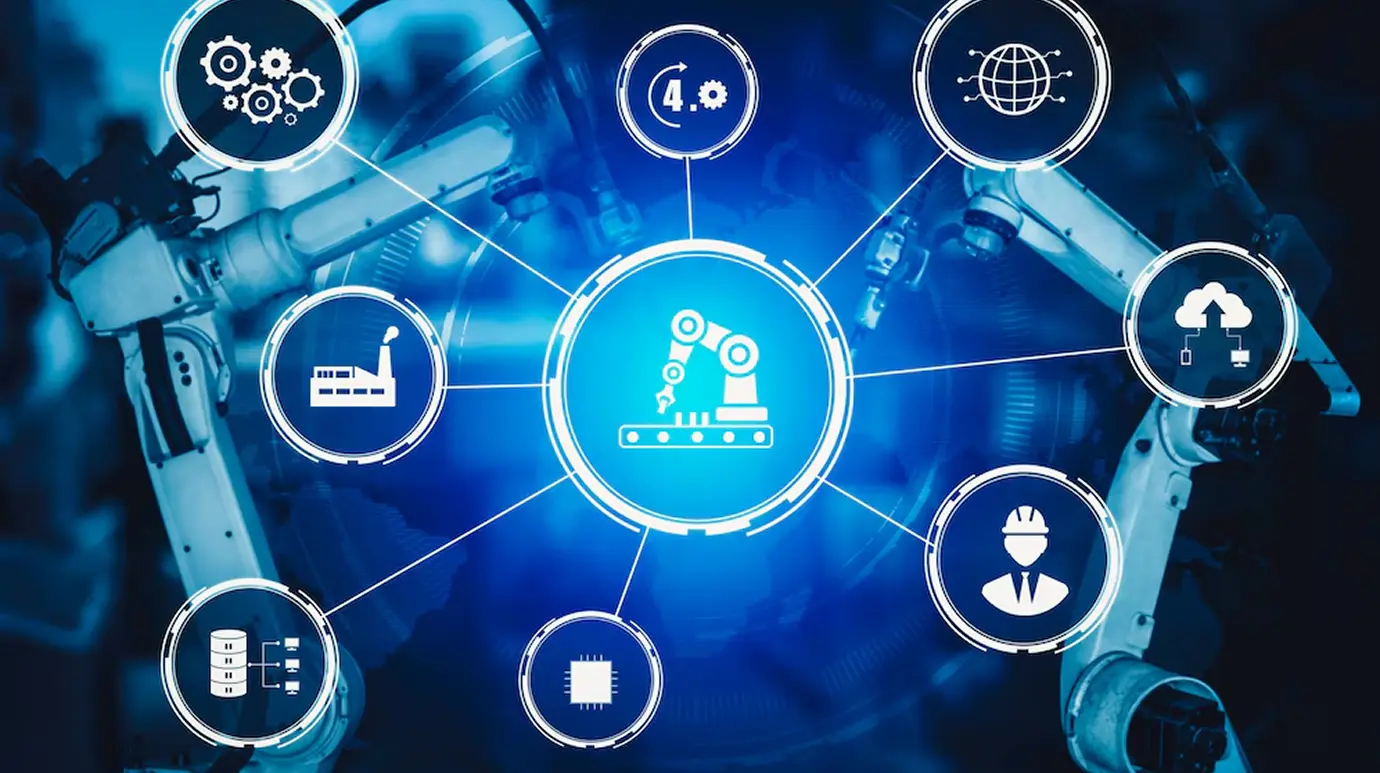
As industries move deeper into Industry 4.0 and Industry 5.0, manufacturing is undergoing a fundamental transformation. Traditional factories are evolving into intelligent, connected ecosystems driven by data, automation, and artificial intelligence. Smart manufacturing with AI is no longer an emerging concept—it is a competitive necessity for manufacturers seeking agility, efficiency, and long-term resilience.

At Krishiv, we help manufacturers embrace AI-driven smart manufacturing systems that combine automation, real-time intelligence, and secure connectivity to unlock higher productivity and operational excellence.

What Is Smart Manufacturing in the Age of AI?

Smart manufacturing integrates artificial intelligence, industrial IoT, cloud and edge computing, and advanced automation to create self-optimizing production environments. Unlike traditional manufacturing systems that depend on manual intervention and static rules, smart factories continuously learn from data and adapt in real time.

Modern smart manufacturing systems can:

  • Monitor machine health continuously
  • Optimize production schedules automatically
  • Detect quality defects using AI vision
  • Balance energy usage across operations
  • Respond instantly to disruptions

This shift from reactive to intelligent manufacturing enables factories to operate with unprecedented precision and flexibility.

The Expanding Role of AI in Smart Manufacturing

AI in manufacturing goes far beyond basic automation. Today’s AI systems analyze massive datasets generated by machines, sensors, and operators to identify patterns, predict outcomes, and recommend actions.

Key AI-driven capabilities include:

  • Predictive maintenance using machine learning
  • AI-powered quality inspection
  • Real-time process optimization
  • Autonomous decision-making at the edge

At Krishiv, we integrate AI into the core of industrial automation systems, enabling factories to detect performance deviations, reduce downtime, and continuously improve production outcomes.

Trending Topic: Edge AI in Manufacturing

One of the biggest trends in smart manufacturing with AI is Edge AI. Instead of sending all data to the cloud, AI models run directly on local devices such as controllers, HMIs, and smart hubs.

Edge AI enables:

  • Ultra-low latency decision-making
  • Reduced bandwidth usage
  • Improved system reliability
  • Enhanced data privacy

For example, smart control panels and automation hubs can process sensor data locally to make instant adjustments. Touchscreen automation interfaces like EZLO Protect 10″ Touchscreen Controller  demonstrate how intelligent edge devices support real-time visualization and control in connected environments.

Smart Manufacturing and Intelligent Automation Infrastructure

AI-powered manufacturing depends on a reliable automation backbone. PLCs, SCADA systems, sensors, and controllers must communicate seamlessly to support intelligent workflows.

This is why smart factories are built on scalable industrial automation solutions  that allow AI models to interact with machines, production lines, and enterprise systems.

In advanced facilities, smart automation hubs and connected controllers act as the nervous system of the factory—aggregating data, enabling AI analysis, and executing optimized actions across operations.

Trending Topic: Digital Twins in Smart Factories

Another major trend is the use of digital twins—virtual replicas of physical manufacturing systems. AI-powered digital twins simulate machine behavior, production flows, and energy consumption before changes are applied in the real world.

Digital twins help manufacturers:

  • Test production changes risk-free
  • Optimize layouts and workflows
  • Predict failures and bottlenecks
  • Improve energy efficiency

When combined with AI and automation, digital twins significantly accelerate decision-making and reduce operational risk.

AI-Driven Quality Control and Smart Devices

AI vision systems are transforming quality assurance in smart manufacturing. Cameras and sensors inspect products in real time, identifying defects with greater accuracy than manual inspection.

These systems often rely on connected automation devices and hubs to synchronize data and actions. Smart connectivity tools such as Aeotec SmartThings Smart Home Hub and EZLO Plus Smart Home Hub with Z-Wave and Zigbee illustrate how intelligent hubs can manage multi-protocol device communication—an approach increasingly adapted for industrial and commercial automation ecosystems.

Energy-Efficient Smart Manufacturing with AI

Energy optimization is a fast-growing priority in modern manufacturing. AI-driven smart manufacturing systems analyze production schedules, machine loads, and environmental data to minimize energy waste.

AI enables:

  • Intelligent load balancing
  • Peak demand reduction
  • Automated shutdown of idle equipment
  • Sustainability reporting

Smart switches and connected devices—such as Zigbee-enabled industrial controls—play a role in fine-grained energy management. Devices like Inovelli Zigbee Smart Switch with Humidity Sensor highlight how sensor-driven automation contributes to energy efficiency and environmental monitoring.

Scalability, Security, and Compliance in Smart Manufacturing

As smart factories scale, industrial automation security becomes critical. AI-driven environments generate and exchange massive amounts of data, making cybersecurity a top concern.

Krishiv designs smart manufacturing systems with:

  • Secure device authentication
  • Encrypted communication
  • Controlled system access
  • Compliance-ready architecture

This ensures that AI-driven manufacturing systems remain resilient, compliant, and protected from cyber threats as they grow.

Industry 4.0, Industry 5.0, and the Road Ahead

The future of manufacturing lies at the intersection of Industry 4.0 and Industry 5.0, where automation, AI, and human expertise work together. Emerging trends shaping the next generation of smart factories include:

  • Generative AI for production planning
  • Autonomous supply chain optimization
  • Human-centric AI systems
  • AI-driven sustainability initiatives

Krishiv continuously invests in R&D across AI, industrial IoT, and cloud-edge automation to deliver future-ready smart manufacturing solutions.

Why Partner with Krishiv for Smart Manufacturing with AI

Smart manufacturing with AI is not just about technology—it’s about strategy, integration, and long-term value. Krishiv helps manufacturers transition confidently by delivering intelligent, scalable, and secure automation ecosystems.

Learn more about our expertise on the About Us page, explore insights on the Krishiv Blog, or contact Krishiv to discuss your smart manufacturing goals.

Conclusion

Smart manufacturing powered by AI is redefining how factories operate, compete, and grow. By combining AI-driven automation, connected devices, real-time analytics, and secure infrastructure, manufacturers can achieve higher efficiency, better quality, and sustainable growth.

Organizations that adopt intelligent smart manufacturing systems today are building factories that are not only productive—but adaptive, resilient, and future-proof.

AI Automation in Industry: How Intelligent Systems Are Redefining Modern Manufacturing

In today’s fast-moving industrial environment, automation alone is no longer enough. Manufacturers are under constant pressure to produce more, respond faster, and operate leaner—all while maintaining quality and sustainability. This is where AI automation in industry is making a real difference.

Rather than simply automating repetitive tasks, AI brings intelligence into industrial systems. Machines can now analyze data, learn from patterns, and make informed decisions in real time. At Krishiv, we help industries move beyond traditional automation by building AI-driven industrial automation solutions that fit naturally into existing operations and grow with the business.

What Is AI Automation and How Is It Different from Traditional Automation?

Traditional industrial automation relies on fixed rules. PLCs, SCADA systems, and HMIs follow predefined logic—effective for repetitive tasks, but limited when conditions change.

AI automation, on the other hand, adds adaptability. By combining artificial intelligence in manufacturing with automation technologies, systems can adjust dynamically based on real-world data.

Key differences include:

  • Traditional automation follows rules; AI automation learns from data
  • Conventional systems react after issues occur; AI predicts problems before they happen
  • Rule-based automation is static; AI-powered automation evolves over time

This shift is what enables the modern smart factory, where machines self-optimize, processes improve continuously, and decision-making becomes faster and more accurate.

Data-Driven Manufacturing Powered by Artificial Intelligence

One of the biggest reasons manufacturers adopt AI automation in industry is data. Industrial systems already generate massive amounts of data—but without intelligence, that data remains underused.

At Krishiv, we deploy AI models that turn raw operational data into actionable insights. These systems analyze production metrics, machine behavior, and process variables to uncover patterns that humans often miss.

This approach enables:

  • Faster, data-driven decision-making
  • Early detection of inefficiencies
  • Reduced scrap and rework
  • Improved production consistency

To support this intelligence layer, a reliable automation infrastructure is essential. That’s why AI initiatives are often built on scalable industrial automation solutions that connect machines, sensors, and control systems into a unified ecosystem.

Predictive Maintenance with AI: Preventing Problems Before They Stop Production

Maintenance is one of the clearest examples of how AI automation delivers immediate value.

In traditional environments, maintenance is either reactive (fix it after it breaks) or scheduled (maintain whether it’s needed or not). Both approaches lead to unnecessary downtime or wasted resources.

With AI-based predictive maintenance, machines continuously monitor their own condition. AI models analyze vibration, temperature, power usage, and performance trends to detect early signs of failure.

This allows manufacturers to:

  • Schedule maintenance only when necessary
  • Avoid unexpected breakdowns
  • Extend equipment lifespan
  • Reduce maintenance costs

Predictive maintenance is now one of the most widely adopted AI applications in industrial automation—and for good reason.

Improving Quality Control Through Intelligent Automation

Quality control is another area where AI automation in manufacturing is changing the game.

Manual inspection and basic vision systems struggle with consistency, especially at high production speeds. AI-powered computer vision systems, however, learn from every product they inspect.

By integrating machine learning models into inspection workflows, Krishiv enables systems that:

  • Detect subtle defects in real time
  • Improve accuracy with every batch
  • Reduce false rejects
  • Maintain high throughput without slowing production

These intelligent quality systems ensure consistent output while reducing waste and rework—critical for competitive manufacturing environments.

Trending Topic: Edge AI in Industrial Automation

One of the most important trends shaping AI automation in industry is Edge AI. Instead of sending all data to the cloud, AI models run locally—close to machines and sensors.

Edge AI enables:

  • Faster decision-making with near-zero latency
  • Improved system reliability
  • Reduced bandwidth usage
  • Better data privacy and security

Human-machine interfaces and smart controllers play a key role here. Touch-based control and visualization devices like EZLO Protect 10″ Touchscreen Controller demonstrate how intelligent edge devices can support real-time monitoring and control in connected industrial environments.

Energy Optimization with AI-Driven Automation

Energy efficiency is no longer just a cost concern—it’s a strategic priority. AI automation helps manufacturers optimize energy use without compromising production output.

AI systems analyze:

  • Machine load patterns
  • Production schedules
  • Environmental conditions
  • Peak vs off-peak consumption

Based on this data, systems can automatically adjust operations to reduce waste and lower energy costs.

Smart sensors and connected switches play a supporting role in this strategy. Devices such as Inovelli Zigbee Smart Switch with Humidity Sensor highlight how sensor-driven automation contributes to fine-grained energy and environmental control—principles increasingly applied in industrial and commercial settings.

Krishiv’s Practical, Human-First Approach to AI Automation

What sets Krishiv apart is our focus on practical implementation. We don’t believe in forcing AI where it doesn’t belong. Instead, we work closely with clients to understand real operational challenges and apply AI where it delivers measurable value.

Our AI automation solutions are:

  • Modular and scalable
  • Compatible with legacy systems
  • Designed for gradual adoption
  • Built around real operational needs

Whether automating a single process or modernizing an entire facility, we ensure a smooth transition—without disrupting ongoing production.

To learn more about our experience and values, visit About Krishiv.

The Future of AI Automation in Industry

Looking ahead, the future of industrial automation will be shaped by:

  • Deeper AI integration
  • Decentralized decision-making
  • Industrial IoT and 5G connectivity
  • Human-AI collaboration

Factories will become more autonomous, but also more flexible—capable of adapting instantly to changing demands. AI automation in industry will move from optimization to orchestration, coordinating machines, people, and systems as a single intelligent operation.

Krishiv continues to invest in emerging technologies to ensure our solutions remain future-ready and aligned with evolving industrial needs.

Partner with Krishiv for Intelligent Industrial Automation

Embracing artificial intelligence in manufacturing is no longer optional—it’s essential for long-term competitiveness. AI automation enables manufacturers to reduce downtime, improve quality, optimize energy usage, and respond faster to market demands.

Krishiv is proud to support industries on this journey with practical, scalable, and human-centered automation solutions.

Explore insights on intelligent automation via the Krishiv Blog or contact Krishiv to discuss how AI automation can transform your operations.

Conclusion

AI automation is reshaping how industries operate—not by replacing people, but by empowering them with better tools, clearer insights, and smarter systems. By combining automation with intelligence, manufacturers gain efficiency, resilience, and long-term sustainability.

With the right strategy and the right partner, AI automation in industry becomes a powerful foundation for smarter, faster, and more adaptive manufacturing.

How IoT is Shaping the Future of Home Automation

The way we live at home is changing rapidly. Lights that respond to voice commands, thermostats that learn your routine, and security systems that alert you before a problem arises are no longer futuristic ideas—they are everyday realities. At the center of this transformation is the Internet of Things (IoT).

IoT in home automation is reshaping how homeowners interact with their living spaces, making homes smarter, safer, and more energy-efficient. At Krishiv, we use the latest IoT innovations to deliver intelligent home automation solutions in Canada that are designed around real human needs—not just technology.

What Is IoT in Home Automation?

The Internet of Things (IoT) refers to a network of physical devices embedded with sensors, software, and connectivity that allows them to communicate with each other over the internet.

In smart home automation, IoT connects devices such as:

  • Smart lights and switches
  • Smart thermostats
  • Smart locks and door sensors
  • Security cameras and motion detectors
  • Voice assistants and control hubs

Instead of operating independently, these devices work together as a single intelligent system. Krishiv’s home automation solutions are built on this connected ecosystem, allowing homeowners to control their entire home from a smartphone, tablet, or voice command.

How IoT Is Making Homes More Energy Efficient

One of the biggest advantages of IoT-based home automation is energy efficiency. Smart devices don’t just turn things on and off—they make decisions based on usage patterns and real-time conditions.

Examples include:

  • Smart thermostats that learn your daily routine and optimize heating and cooling
  • Smart lighting systems that turn off automatically when rooms are unoccupied
  • Appliances scheduled to run during off-peak energy hours

IoT-enabled controls help reduce energy waste while improving comfort. Devices like Inovelli Zigbee Smart Switch with Humidity Sensor add an extra layer of intelligence by responding to environmental conditions, helping maintain comfort while saving energy.

This makes smart home automation with IoT not only convenient, but also environmentally responsible.

The Role of IoT in Smart Home Security

Security is one of the most powerful reasons homeowners adopt IoT technology. IoT-based smart home security systems offer far more than basic alarms.

With connected security devices, homeowners can:

  • Monitor live camera feeds remotely
  • Receive instant alerts for unusual activity
  • Lock or unlock doors from anywhere
  • Track motion, entry points, and environmental changes

Centralized control hubs play a key role in bringing security devices together. Intelligent controllers like Aeotec SmartThings Smart Home Hub and EZLO Plus Smart Home Hub with Z-Wave and Zigbee allow multiple devices to communicate seamlessly, creating a unified and responsive security system.

Krishiv ensures that all IoT security solutions are implemented with encrypted communication and secure access controls, giving homeowners real peace of mind.

Remote Access and Control: Your Home, Anywhere

One of the most loved features of IoT home automation is remote access. Whether you’re at work, on vacation, or simply relaxing on the couch, your home is always within reach.

Forgot to turn off the lights?
Left the door unlocked?
Want the house warm before you arrive?

With IoT-powered systems, these tasks take just seconds on your smartphone. Touchscreen controllers such as EZLO Protect 10″ Touchscreen Controller offer intuitive, centralized control—perfect for managing complex smart home environments with ease.

This level of control makes everyday living more comfortable, efficient, and stress-free.

Trending Topic: AI + IoT for Personalized Living

IoT becomes even more powerful when combined with Artificial Intelligence (AI). Together, they create homes that don’t just respond—they anticipate.

By analyzing usage data, AI-powered IoT systems can:

  • Adjust lighting based on time of day
  • Set ideal temperatures automatically
  • Create personalized routines
  • Adapt to lifestyle changes over time

For example, your home may gradually learn when you wake up, return from work, or prefer lower lighting in the evening—without you needing to adjust settings manually.

This combination of AI and IoT in smart homes delivers a truly personalized living experience.

Challenges of IoT in Home Automation (and How Krishiv Solves Them)

Despite its benefits, IoT home automation does come with challenges, including:

  • Data privacy concerns
  • Device compatibility issues
  • Network reliability

Krishiv addresses these challenges by:

  • Using secure, encrypted communication protocols
  • Designing systems with cross-platform compatibility (Z-Wave, Zigbee, Wi-Fi)
  • Ensuring professional installation and system optimization

Our goal is to deliver secure and reliable smart home automation, without complexity or compromise.

The Future of IoT in Home Automation

The future of IoT smart homes is exciting and rapidly evolving. Emerging trends include:

  • Matter protocol for better device compatibility
  • Edge computing for faster local decision-making
  • 5G connectivity for ultra-responsive systems
  • Smarter AI-driven automation

Homes will become more autonomous, energy-aware, and adaptive—responding to homeowners’ needs in real time.

Krishiv remains committed to delivering future-ready home automation systems that evolve with technology, ensuring long-term value for homeowners.

Why Choose Krishiv for Smart Home Automation in Canada?

Krishiv is a trusted provider of smart home automation solutions in Canada, offering systems that are intelligent, secure, and tailored to real lifestyles.

When you choose Krishiv, you benefit from:

  • Expert system design and integration
  • Secure, scalable IoT solutions
  • Seamless device compatibility
  • Ongoing support and optimization

Learn more about our expertise on the About Us page, explore insights on the Krishiv Blog, or contact Krishiv to start your smart home journey.

Conclusion

The Internet of Things is truly shaping the future of home automation—making homes more connected, efficient, and secure. With IoT-powered systems, homeowners gain control, comfort, and confidence like never before.

At Krishiv, we combine IoT, AI, and smart automation technologies to create homes that work intelligently for the people who live in them. Experience the future of living today with Krishiv—your trusted partner for smart and secure home automation in Canada.

Voice-Controlled Smart Homes: The Future of Hands-Free Living

Smart homes are no longer just about automation—they’re about interaction. One of the most transformative shifts in modern living is the rise of voice-controlled smart homes, where homeowners can manage their environment simply by speaking. From adjusting lighting and temperature to locking doors and controlling entertainment systems, voice control brings a new level of comfort, accessibility, and efficiency.

Across Canada, homeowners are increasingly adopting voice-enabled home automation, and Krishiv is helping lead this transition by delivering secure, reliable, and intelligently integrated smart home solutions designed for real life—not just technology demos.

The Rise of Voice-Controlled Smart Homes

Voice assistants such as Amazon Alexa, Google Assistant, and Apple Siri have evolved far beyond simple question-and-answer tools. Today, they act as central controllers for connected homes, enabling seamless interaction with multiple smart devices.

The growing popularity of voice-controlled smart home systems is driven by:

  • Hands-free convenience
  • Faster access to everyday functions
  • Improved accessibility for all age groups
  • Integration with existing smart home ecosystems

Speaking a command to turn off lights, arm a security system, or adjust the thermostat has become second nature for many homeowners. This shift toward voice-first smart homes is quickly becoming a standard expectation in modern living.

Krishiv designs these experiences through professionally integrated home automation solutions that ensure voice control is smooth, reliable, and secure.

How Voice Control Works in Smart Homes

Voice-controlled homes rely on a combination of smart devices, control hubs, and cloud-based intelligence. When a voice command is issued, it is processed by a voice assistant and translated into an action across connected devices.

Centralized hubs play a key role in coordinating this communication. Smart controllers such as Aeotec SmartThings Smart Home Hub 
and EZLO Plus Smart Home Hub with Z-Wave and Zigbee allow different devices—lights, locks, thermostats, sensors—to work together seamlessly under voice control.

This centralized approach ensures faster response times, better compatibility, and a more reliable smart home experience.

Krishiv’s Role in Building Safer Voice-Controlled Homes

At Krishiv, we believe voice control should enhance life—not complicate it. Our approach focuses on thoughtful system design, secure integration, and long-term reliability.

We provide customized voice-controlled smart home solutions that integrate:

  • Lighting and climate control
  • Security systems and access control
  • Entertainment and media
  • Energy-efficient automation

Every system is designed with security in mind, ensuring that voice commands do not compromise privacy or system integrity. This balance between convenience and protection is what sets Krishiv apart in the Canadian smart home market.

Hands-Free Living and Everyday Convenience

One of the most immediate benefits of voice-enabled home automation is hands-free living. Simple moments—like carrying groceries, cooking, or relaxing—become easier when your home responds instantly to your voice.

Voice control also enhances accessibility:

  • Seniors can manage their homes without navigating apps
  • Individuals with mobility challenges gain greater independence
  • Families can simplify daily routines

Touchscreen interfaces such as EZLO Protect 10″ Touchscreen Controller work alongside voice control, offering multiple ways to interact with the home—ensuring flexibility for every household.

Energy Efficiency Through Voice Automation

Voice control is not just about comfort—it also supports smarter energy usage. Homeowners can instantly adjust lighting, heating, and cooling with simple commands, helping reduce unnecessary energy consumption.

Examples include:

  • Turning off lights in unused rooms
  • Lowering thermostats before bedtime
  • Activating energy-saving modes with a single phrase

Smart switches and sensors play a crucial role here. Devices like Inovelli Zigbee Smart Switch with Humidity Sensor allow voice commands to work in harmony with environmental data, optimizing comfort while reducing energy waste.

This makes voice-controlled smart homes both convenient and environmentally responsible.

Enhancing Home Security with Voice Commands

Security remains a top priority for homeowners, and voice control adds another layer of convenience without sacrificing safety. With secure integration, users can:

  • Lock or unlock doors using voice commands
  • Arm or disarm alarm systems
  • Check the status of security devices

Krishiv ensures that voice-controlled smart home security is implemented with proper authentication, encrypted communication, and fail-safe controls. Sensitive actions can be restricted or require confirmation, ensuring that convenience never compromises protection.

Trending Topic: Privacy and Voice-Controlled Homes

As voice technology becomes more widespread, privacy is an important consideration. Modern smart home systems now include:

  • Local processing for sensitive commands
  • User-controlled permissions
  • Secure data handling practices

Krishiv stays ahead of these concerns by designing privacy-aware voice automation systems that align with evolving standards and homeowner expectations—especially important in connected Canadian households.

The Future of Voice-Controlled Smart Homes

The future of voice-controlled home automation goes beyond simple commands. Emerging trends include:

  • AI-driven voice personalization
  • Multimodal control (voice + touch + automation)
  • Matter protocol for improved device compatibility
  • Smarter context-aware responses

Homes will soon understand not just what you say, but what you mean—adapting automatically to your routines, preferences, and environment.

Krishiv continues to build future-ready smart home systems that can evolve alongside these advancements.

Why Choose Krishiv for Voice-Controlled Smart Homes in Canada?

Choosing Krishiv means choosing experience, security, and thoughtful design. We don’t just install devices—we create connected living environments that feel natural and intuitive.

With Krishiv, you get:

  • Personalized smart home design
  • Secure and scalable automation
  • Expert integration and support
  • Systems built for long-term reliability

Learn more about our approach on the About Us page, explore insights on the Krishiv Blog, or contact Krishiv to start your voice-controlled smart home journey.

Conclusion

Voice-controlled smart homes represent a natural evolution of home automation—one that puts interaction, accessibility, and convenience first. By combining voice technology with intelligent automation and secure integration, homeowners can enjoy a more comfortable, efficient, and responsive living environment.

With Krishiv as your partner, your home doesn’t just listen—it understands. Experience the future of living with voice-controlled smart home automation in Canada, powered by Krishiv.

Smart Home Innovations That Will Change Your Lifestyle

Technology is no longer something we just use—it’s something we live with every day. From waking up to perfectly adjusted lighting to checking home security from anywhere in the world, smart home innovations are redefining comfort, convenience, and peace of mind. What once felt futuristic is now part of everyday life.

At the center of this transformation is smart home automation, powered by AI, IoT, and intelligent connectivity. As a trusted provider of smart home solutions in Canada, Krishiv helps homeowners embrace these innovations in a way that feels natural, secure, and truly life-enhancing.

Let’s explore the smart home technologies that are genuinely changing how we live.

1. AI-Powered Smart Home Automation Systems

One of the biggest shifts in home automation is the move from “automated” to intelligent systems. AI-powered home automation doesn’t just follow commands—it learns.

AI allows smart homes to:

  • Understand daily routines
  • Anticipate preferences
  • Adjust lighting, temperature, and security automatically
  • Reduce energy usage without sacrificing comfort

For example, your home can gradually learn when you wake up, when you leave for work, and how you like your evenings—then adjust settings automatically.

Krishiv integrates AI into its home automation solutions to create homes that respond naturally to the people living in them, not the other way around.

2. Voice-Controlled Smart Living

Voice control has become one of the most popular smart home innovations because it removes friction from everyday tasks. Speaking a command is often faster and easier than using an app or switch.

With voice-controlled smart homes, homeowners can:

  • Turn lights on or off
  • Adjust thermostats
  • Lock or unlock doors
  • Control entertainment systems

Smart hubs such as Aeotec SmartThings Smart Home Hub and EZLO Plus Smart Home Hub with Z-Wave and Zigbee 
enable seamless communication between devices, making voice control reliable and responsive across the entire home.

This hands-free interaction makes daily life smoother—especially for busy families, seniors, and individuals with mobility challenges.

3. Smart Security Systems for Peace of Mind

Home security is one area where technology has made a truly meaningful impact. Modern smart home security systems go far beyond basic alarms.

Today’s innovations include:

  • AI-powered security cameras
  • Smart door locks
  • Motion and entry sensors
  • Real-time mobile alerts

These systems can recognize unusual behavior, notify homeowners instantly, and allow remote control from anywhere.

Krishiv designs secure smart home systems that integrate safety into everyday living—so homeowners feel protected whether they’re at home, at work, or traveling.

4. Energy-Efficient Smart Appliances and Controls

Energy efficiency is no longer just about saving money—it’s about sustainability and smarter living. One of the most impactful smart home innovations is energy-aware automation.

Smart homes can now:

  • Optimize heating and cooling automatically
  • Reduce energy waste in unused rooms
  • Monitor environmental conditions in real time

Devices like Inovelli Zigbee Smart Switch with Humidity Sensor add intelligence at the device level, adjusting behavior based on humidity, usage, and environmental changes.

These innovations help homeowners lower utility bills while maintaining comfort—without constant manual adjustments.

5. Intelligent Lighting That Adapts to You

Lighting has a powerful effect on mood, productivity, and relaxation. Smart lighting systems allow homeowners to fully customize how their spaces feel throughout the day.

With intelligent lighting, you can:

  • Adjust brightness and color temperature
  • Create lighting scenes for different activities
  • Automate lights based on time or motion
  • Control everything remotely or by voice

Krishiv’s lighting solutions focus on balance—enhancing ambiance while reducing unnecessary energy usage. Whether you’re starting your day or winding down at night, lighting adapts effortlessly to your lifestyle.

6. Smart Health and Wellness Technologies

Health-focused smart home devices are becoming increasingly popular, especially in homes where comfort and wellness matter most.

Innovations in this space include:

  • Smart air quality monitors
  • Automated air purifiers
  • Humidity and temperature regulation
  • Wellness-focused automation routines

By maintaining healthier indoor environments, smart home technology supports better sleep, improved air quality, and overall well-being.

Krishiv integrates these wellness technologies into broader home automation systems—so health isn’t an add-on, but part of everyday living.

7. Centralized Control with Smart Touch Panels

While apps and voice control are convenient, many homeowners still want a simple, visual way to manage their home.

Touchscreen controllers like EZLO Protect 10″ Touchscreen Controller provide a centralized interface for managing lighting, security, climate, and automation routines—all from one place.

This combination of touch, voice, and automation gives homeowners flexibility without complexity.

The Bigger Picture: A Smarter Lifestyle

What makes these smart home innovations truly transformative isn’t the technology itself—it’s how seamlessly it fits into everyday life.

A smart home should:

  • Reduce mental load
  • Save time and energy
  • Improve comfort and safety
  • Adapt as your needs change

Krishiv approaches smart home automation with this philosophy in mind—focusing on usability, security, and long-term value.

Learn more about our approach on the About Us page or explore insights on the Krishiv Blog.

Why Choose Krishiv for Smart Home Automation in Canada?

Krishiv is a trusted name in smart home automation in Canada, known for delivering solutions that are intelligent, secure, and tailored to real lifestyles.

When you choose Krishiv, you benefit from:

  • Customized system design
  • Secure device integration
  • Future-ready technology
  • Ongoing support and expertise

Whether you’re upgrading a single feature or building a fully automated home, Krishiv ensures the experience feels effortless from day one.

To begin your smart home journey,
 contact Krishiv today.

Conclusion

Smart home innovations are no longer about novelty—they’re about living better. With AI-powered automation, voice control, intelligent security, and energy-efficient systems, homes are becoming more responsive, more comfortable, and more human-centric.

At Krishiv, we bring these innovations together into thoughtfully designed smart home solutions that genuinely enhance daily life. The future of living is already here—and it’s smarter, safer, and more connected than ever.

AI in Home Automation: Smarter Homes for Better Living

Technology is quietly changing the way we live at home. What once required manual effort—adjusting thermostats, checking security cameras, managing lighting—can now happen automatically, intelligently, and often without us even noticing. At the heart of this shift is AI in home automation, a technology that allows homes to learn, adapt, and respond to the people living in them.

Rather than simply following commands, AI-powered smart homes anticipate needs, optimize energy use, and improve safety. At Krishiv, we focus on building AI-driven home automation systems in Canada that feel intuitive, secure, and genuinely helpful in everyday life.

The Role of AI in Modern Home Automation

Traditional home automation relies on schedules and rules. AI takes this much further. With artificial intelligence in home automation, systems continuously learn from behavior, usage patterns, and environmental data.

AI enables smart homes to:

  • Learn daily routines
  • Predict comfort preferences
  • Automate repetitive decisions
  • Adapt to lifestyle changes over time

For example, AI-powered thermostats can automatically adjust temperature based on occupancy, weather, and past preferences—keeping homes comfortable while reducing unnecessary energy use.

Krishiv integrates AI across its home automation solutions to create living spaces that respond naturally, without constant manual input.

Smarter Living Through Adaptive AI Automation

What makes AI-powered smart homes different is adaptability. AI doesn’t just automate—it improves over time.

Lighting systems can adjust brightness and color temperature depending on the time of day, weather, or how a room is being used. Climate control systems adapt automatically as seasons change. Entertainment and comfort settings evolve based on household routines.

Instead of homeowners constantly adjusting settings, AI quietly handles the details in the background—making daily living smoother and more efficient.

How AI Enhances Smart Home Security

One of the most impactful applications of AI in home automation is security. AI-enabled security systems are far more intelligent than traditional alarms.

Modern AI-based security systems can:

  • Distinguish between people, pets, and objects
  • Reduce false alarms
  • Detect unusual behavior patterns
  • Send real-time alerts

Smart hubs and controllers play a key role in coordinating these systems. Platforms such as Aeotec SmartThings Smart Home Hub and EZLO Plus Smart Home Hub with Z-Wave and Zigbee allow security devices to communicate seamlessly with AI logic engines—creating a unified and responsive security network.

Krishiv designs AI-powered smart home security with privacy, reliability, and long-term protection in mind.

AI-Driven Energy Management for Sustainable Homes

Energy efficiency is no longer just a cost concern—it’s a responsibility. AI in home automation plays a critical role in reducing energy waste while maintaining comfort.

AI systems analyze:

  • Occupancy patterns
  • Appliance usage
  • Temperature and humidity levels
  • Time-of-day energy demand

Based on this data, AI can automatically adjust lighting, heating, and cooling to minimize waste. Smart environmental controls such as Inovelli Zigbee Smart Switch with Humidity Sensor add intelligence at the device level, allowing AI to respond to real-world conditions rather than fixed schedules.

The result is a home that is both energy-efficient and comfortable, without constant manual intervention.

AI-Powered Voice Assistants: The Everyday Interface

For many homeowners, voice assistants are the most visible face of AI. AI-powered voice assistants like Alexa, Google Assistant, and Siri have become central to smart home interaction.

AI enables voice systems to:

  • Understand natural language
  • Interpret context
  • Execute multiple actions with a single command

Krishiv ensures that AI-based home automation systems integrate seamlessly with voice platforms—so homeowners can control lighting, climate, security, and entertainment effortlessly.

Touchscreen interfaces such as EZLO Protect 10″ Touchscreen Controller work alongside voice control, offering visual and tactile interaction for households that prefer multiple control options.

Trending Topic: Personalization Through AI

One of the most exciting aspects of AI-driven home automation is personalization. AI systems continuously refine how a home behaves based on individual preferences.

Examples include:

  • Automatically preparing lighting and temperature in the morning
  • Adjusting evening ambiance based on usage patterns
  • Optimizing comfort for different family members

Over time, AI turns a smart home into a personalized living environment—one that feels uniquely tailored to the people inside it.

Krishiv designs AI systems that prioritize comfort and usability, ensuring personalization enhances life rather than complicating it.

Privacy and Trust in AI-Powered Homes

As AI becomes more embedded in daily life, privacy matters more than ever. Responsible AI in home automation must balance intelligence with security.

Krishiv addresses this by:

  • Using secure communication protocols
  • Limiting unnecessary data collection
  • Designing systems with user control in mind

AI should serve homeowners—not monitor them. That philosophy guides every system we design.

The Future of AI in Home Automation

The future of AI-powered smart homes will focus on deeper intelligence and smoother interaction. Emerging trends include:

  • Context-aware automation
  • Edge AI for faster local decisions
  • Smarter energy optimization
  • Improved cross-device compatibility

Homes will increasingly act as intelligent environments that understand routines, respond instantly, and adapt continuously.

Krishiv remains committed to delivering future-ready AI home automation solutions that evolve as technology advances.

Why Choose Krishiv for AI-Based Home Automation in Canada?

Choosing Krishiv means choosing thoughtful design, reliable technology, and long-term value.

With Krishiv, you get:

  • Customized AI-powered home automation
  • Secure, scalable system architecture
  • Seamless integration across devices
  • Expert support and future upgrades

Learn more about our approach on the About Us page, explore insights on the Krishiv Blog, or contact Krishiv to begin your AI-powered smart home journey.

Conclusion

AI is redefining what it means to live in a smart home. By moving beyond simple automation and embracing intelligence, homes become more comfortable, more secure, and more efficient—without added complexity.

With AI in home automation, technology fades into the background and life becomes easier. At Krishiv, we bring this future into today’s homes, creating intelligent living environments designed around the people who matter most.

The Future of Home Automation: What to Expect in 2026

Home automation has come a long way in just a few years. What started with simple smart lights and app-controlled thermostats has evolved into intelligent homes that learn, adapt, and respond to everyday life. As we move into 2026, the future of home automation looks even more connected, intuitive, and human-centric.

Advancements in artificial intelligence (AI), the Internet of Things (IoT), and smart security are redefining how we interact with our living spaces. At Krishiv, we’re actively building toward this future—delivering safe, intelligent home automation solutions in Canada that are ready not just for today, but for what’s next.

AI Will Become the Brain of the Smart Home

By 2026, AI in home automation will move beyond simple automation rules and schedules. Homes will increasingly rely on AI to make decisions independently—based on habits, preferences, and real-time conditions.

AI-powered systems will be able to:

  • Learn daily routines automatically
  • Adjust temperature and lighting without manual input
  • Predict comfort preferences
  • Optimize energy use continuously

For example, AI-driven climate systems won’t just respond to temperature changes—they’ll anticipate weather conditions, occupancy, and usage patterns. This creates homes that feel comfortable without homeowners constantly adjusting settings.

Krishiv integrates AI across its home automation solutions to ensure systems feel intuitive rather than technical.

IoT Will Power a Fully Connected Home Ecosystem

The future of home automation in 2026 will be deeply shaped by IoT integration. IoT enables devices to communicate with each other, turning individual smart products into a unified ecosystem.

In connected homes, you can expect:

  • Appliances that respond to household routines
  • Security devices that coordinate automatically
  • Environmental sensors that optimize comfort
  • Seamless communication between systems

Smart hubs are central to this ecosystem. Platforms like Aeotec SmartThings Smart Home Hub and EZLO Plus Smart Home Hub with Z-Wave and Zigbee enable multiple devices to work together reliably—regardless of brand or protocol.

Krishiv designs smart homes with interoperability in mind, ensuring devices don’t just connect—but collaborate.

Advanced Smart Home Security Will Be the Standard

Security will remain one of the most important drivers of home automation adoption. By 2026, smart home security systems will rely heavily on AI and real-time data analysis.

Future security features will include:

  • Facial and object recognition
  • Behavior-based threat detection
  • Voice and biometric access control
  • Real-time mobile alerts

AI-driven systems will reduce false alarms while improving response accuracy. Security won’t just detect motion—it will understand context.

Krishiv builds future-ready smart home security solutions that prioritize safety, privacy, and reliability—ensuring protection evolves alongside technology.

Smarter Voice Assistants with Context Awareness

Voice assistants are already common in smart homes, but in 2026 they’ll become significantly more intelligent. Instead of responding only to commands, AI-powered voice assistants will understand context and intent.

Future voice automation will:

  • Manage multiple devices with a single request
  • Adjust settings based on time, mood, or routine
  • Respond more naturally to conversational language

Krishiv ensures compatibility with leading voice platforms while designing systems that remain secure and responsive.

Touch-based control will still play a role, especially for visual interaction. Centralized panels like EZLO Protect 10″ Touchscreen Controller will complement voice control—giving homeowners flexibility in how they interact with their homes.

Energy Efficiency and Sustainability Will Take Priority

As energy costs rise and sustainability becomes more important, the future of home automation in 2026 will focus heavily on efficiency.

Smart homes will:

  • Automatically reduce energy waste
  • Balance comfort with sustainability
  • Optimize heating, cooling, and lighting
  • Integrate renewable energy systems

AI will play a key role by learning occupancy patterns and adjusting systems accordingly. Environmental sensors and intelligent switches such as Inovelli Zigbee Smart Switch with Humidity Sensor help systems respond to real-world conditions rather than fixed schedules.

Krishiv’s approach ensures that energy-efficient smart homes don’t sacrifice comfort for savings.

Seamless Integration Across Devices and Platforms

By 2026, smart homes won’t be limited to apps on a phone. Home automation will integrate seamlessly with:

  • Smartphones and tablets
  • Wearables
  • Smart vehicles
  • Cloud platforms

Your home will be aware of your location and routines—adjusting lighting, security, and climate before you even arrive.

Krishiv designs automation systems with cross-platform integration, ensuring homeowners can control their environments effortlessly, wherever they are.

Privacy and Trust in the Future Smart Home

As homes become more intelligent, privacy and data security will be non-negotiable. The future of home automation must balance convenience with control.

Krishiv addresses this by:

  • Using encrypted communication
  • Limiting unnecessary data collection
  • Designing systems with user consent and transparency

Smart homes should feel empowering—not intrusive.

Why Krishiv Is Your Partner for the Future of Home Automation

The future of home automation isn’t about flashy technology—it’s about creating homes that adapt naturally to the people who live in them.

Krishiv stands out by delivering:

  • Intelligent, AI-driven automation
  • Secure and scalable systems
  • Seamless device integration
  • Long-term support and upgrades

Learn more about our approach on the About Us page, explore insights on the Krishiv Blog, or contact Krishiv to future-proof your home today.

Conclusion

By 2026, smart homes will be more intelligent, more connected, and more responsive than ever before. With advances in AI, IoT, smart security, and sustainability, home automation will move from convenience to true lifestyle enhancement.

At Krishiv, we’re not just preparing for the future—we’re building it. With future-ready technology and thoughtful design, your home can be ready for what’s next.

The Role of Cloud Services in Home Automation

Home automation has moved far beyond simple on-and-off controls. Today’s smart homes are intelligent ecosystems that respond in real time, learn from user behavior, and stay connected no matter where homeowners are. At the center of this evolution are cloud services in home automation, which act as the invisible engine powering convenience, scalability, and security.

By connecting devices through the cloud, homeowners gain the ability to manage lighting, climate, security, and energy usage from anywhere in the world. At Krishiv, cloud technology is a foundational part of delivering secure, future-ready home automation solutions in Canada—designed for real lifestyles, not just technical capability.

What Are Cloud Services in Home Automation?

Cloud services use remote servers to store data, process commands, and manage communication between smart devices. In the context of smart home automation, the cloud connects everything—lights, thermostats, locks, cameras, and sensors—into one cohesive system.

Instead of relying solely on local hardware, cloud-based systems allow homeowners to control their homes through mobile apps, web dashboards, or voice assistants like Alexa and Google Assistant. This means whether you’re at work, on vacation, or simply in another room, your home remains fully accessible and responsive.

Krishiv designs cloud-enabled home automation solutions that balance connectivity with reliability, ensuring your smart home remains responsive even as it grows.

Why Cloud Services Are Essential for Modern Smart Homes

One of the biggest advantages of cloud-based home automation is remote access. Homeowners no longer need to be physically present to manage their homes. From checking security cameras to adjusting temperature or lighting, everything is available in real time through a secure cloud interface. This level of access offers both convenience and peace of mind.

Cloud services also make smart homes far more scalable. Traditional automation systems often required complex wiring and expensive upgrades. Cloud-based platforms remove those limitations, allowing homeowners to add new devices, rooms, or automation features with minimal effort. Whether it’s adding a new smart camera or expanding lighting control, systems can grow naturally over time.

Security is another area where cloud services have made a major impact. Modern cloud platforms use encrypted communication, secure authentication, and continuous monitoring to protect connected devices. Krishiv implements cloud security with a security-first approach, ensuring smart homes are protected from unauthorized access and cyber threats.

Cloud Services and AI: Smarter Homes Through Intelligence

Cloud platforms play a critical role in enabling AI-powered home automation. AI systems rely on data—usage patterns, schedules, environmental conditions—to learn and adapt. The cloud provides the processing power and storage needed to analyze this information effectively.

With cloud-enabled AI, smart homes can automatically adjust temperature based on occupancy, optimize lighting throughout the day, and even predict homeowner preferences. Over time, the system becomes more personalized, reducing the need for manual input.

Smart hubs such as EZLO Plus Smart Home Hub with Z-Wave and Zigbee act as a bridge between local devices and cloud intelligence, ensuring smooth communication and reliable automation across the home.

How Krishiv Uses Cloud Services in Smart Home Automation

At Krishiv, cloud services are not an add-on—they are built into the core of our smart home architecture. Our systems are designed to deliver reliability, security, and long-term flexibility for homeowners across Canada.

Cloud-Connected Home Security:

Cloud-based security allows homeowners to monitor their property in real time. If a motion sensor or camera detects unusual activity, instant notifications are sent to your smartphone. You can view live footage, review alerts, and respond immediately—no matter where you are.

Centralized hubs like Aeotec SmartThings Smart Home Hub enable multiple security devices to work together seamlessly under cloud control, creating a responsive and unified security system.

Smart Lighting and Energy Management

Cloud-powered lighting systems offer more than convenience—they enable intelligent energy use. Lights can be automated based on time, occupancy, or routines, helping reduce unnecessary energy consumption.

Environmental controls such as Inovelli Zigbee Smart Switch with Humidity Sensor allow cloud systems to respond dynamically to real-world conditions, supporting comfort while improving efficiency.

Voice Control Through the Cloud

Cloud services are essential for voice-controlled smart homes. Voice assistants process commands in the cloud, translating natural language into actions across connected devices.

Krishiv ensures smooth cloud integration with popular voice platforms, allowing homeowners to control lighting, security, and climate effortlessly. For those who prefer visual interaction, centralized panels such as EZLO Protect 10″ Touchscreen Controller offer an intuitive alternative that works alongside cloud and voice control.

Best Practices for Secure Cloud-Based Home Automation

While cloud services bring tremendous benefits, security remains essential. Homeowners can strengthen cloud-based systems by following a few simple practices:

  • Use strong, unique passwords for all smart home accounts
  • Enable two-factor authentication whenever available
  • Keep devices and software up to date
  • Choose professionally installed and supported systems

Krishiv designs systems that follow these principles by default, minimizing risk while maximizing usability.

While cloud services bring tremendous benefits, security remains essential. Homeowners can strengthen cloud-based systems by following a few simple practices:

  • Use strong, unique passwords for all smart home accounts
  • Enable two-factor authentication whenever available
  • Keep devices and software up to date
  • Choose professionally installed and supported systems

Krishiv designs systems that follow these principles by default, minimizing risk while maximizing usability.

Why Choose Krishiv for Cloud-Based Home Automation in Canada?

Krishiv is recognized for delivering secure, intelligent, and scalable smart home automation solutions in Canada. Our cloud-based systems are designed to evolve with technology—ensuring long-term value rather than short-term convenience.

When you work with Krishiv, you benefit from:

  • Secure cloud architecture
  • AI-powered automation
  • Seamless device integration
  • Expert design and ongoing support

Learn more about our approach on the About Us page, explore insights on the Krishiv Blog, or contact Krishiv to begin your cloud-enabled smart home journey.

The Future of Cloud Services in Home Automation

Cloud services will continue to shape the future of smart homes by enabling smarter AI, better device compatibility, and stronger security. As technologies like edge computing and Matter evolve, cloud platforms will work more closely with local systems—delivering faster responses without sacrificing intelligence.

With Krishiv, homeowners can be confident that their cloud-based home automation system is built on a secure, scalable foundation designed for the future.

Conclusion

Cloud services have become the backbone of modern home automation. By enabling remote access, intelligent automation, and secure connectivity, the cloud transforms smart homes into truly responsive living environments.

At Krishiv, we use cloud technology thoughtfully—enhancing convenience without compromising security or privacy. The result is a smart home that feels reliable, adaptable, and ready for what’s next.

Back to Top
Product has been added to your cart